
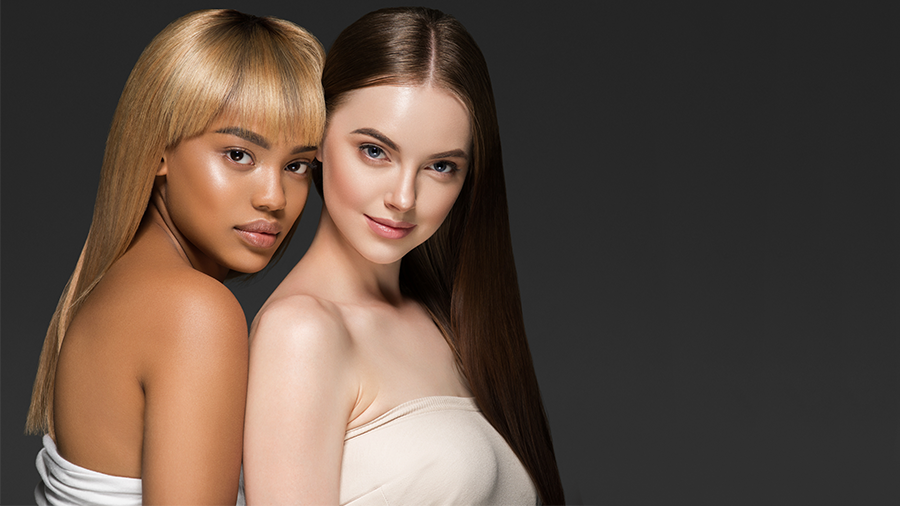
Wondering what hair color suits you? Use these 5 checks for skin tone, eye color, starting shade, hair history, and upkeep before you dye.
Ever saved a dreamy copper, a glossy brunette, and a buttery blonde you’d need a whole new personality for? One AI try-on later, you’re staring at three very convincing versions of yourself and wondering: “What hair color suits me?” Like, REALLY suits me?
The preview is fun. The real-life decision has a few plot twists: your starting shade, old color, hair condition, and how often you’re willing to visit the salon. This hair color guide takes you through five practical checks to help you find a shade that feels like you…without turning your bathroom into a dye experiment.
What Hair Color Suits Me? The Quick Answer
Girlies, If you are impatient just like us, and wondering “what hair color suits me?”, here is the quick answer before we get into any details:
What Hair Color Suits Me?
Judge a shade by how it looks near your face in natural light, what’s realistic for your starting color and dye history, and how much upkeep you want. Undertone, contrast, and hair level offer useful clues: warm undertones may pair well with golden or copper tones, while cool undertones may suit ashier shades. Treat these as starting points, not rules.
Here’s what those clues mean: undertone describes the warm, cool, or neutral quality of your complexion; contrast is the difference in depth between your skin, eyes, and natural hair; and level describes how light or dark your hair is. Many professional color charts number levels from 1 (black) to 10 (lightest blonde), though charts can vary by brand.
For example, two shades can be the same level but have different tones, like a cool ash brown and a warm golden brown. And a big jump from your starting color may create a more noticeable grow-out than a subtle change. Compare unfiltered photos in similar lighting, then consider which shade you enjoy and how its roots and upkeep would fit your routine.
Before the Five Checks: A Tiny Hair-Color Cheat Sheet
Color charts can look like a chemistry test in a very tiny font. Good news: you only need a few terms to make them easier to understand.
-
Hair level means how light or dark your hair is. Many professional charts number levels from 1 (black) to 10 (lightest blonde), though numbering can vary.
-
Tone describes a shade’s warmth or coolness. Golden brown and ash brown can be around the same level, but they have different tones.
-
Skin undertone is the warm, cool, or neutral quality of your complexion. It’s different from how fair or deep your skin is, or how tanned it looks.
-
Contrast is the visual difference between your skin, eyes, and natural hair. More contrast can make a change feel bolder; less contrast can make it feel softer.
Why do these little details matter? Because “I want brown” leaves a lot open: light brown or deep brown? Golden or ash? A subtle change or a full-on new-hair era? You don’t need to memorize color-chart codes; these clues simply help you describe what you like and compare shades more clearly.
Check 1: Let Your Skin Tone Help Narrow Down What Hair Color Suits You
Try this five-minute undertone check
-
Find indirect daylight. Stand near a window during the day, away from direct sun. Warm bathroom bulbs and strong filters can change how skin and hair colors appear.
-
Keep the view simple. Pull your hair away from your face and wear a neutral top. If you usually wear makeup, compare with and without complexion makeup if possible.
-
Hold colors near your face. Compare a few warm-leaning colors - such as peach, coral, or camel - with cooler ones such as berry, blue-pink, or gray. Cream and bright white can also make an interesting comparison.
-
Notice the overall effect. Does your complexion look more even or lively next to one group? Does another make redness, shadows, or sallowness stand out more? Look at the whole face, not only your wrist veins or which metal you prefer.
-
Repeat the comparison. Check again in another patch of natural light. If both groups look good, you may have a neutral undertone - or simply enjoy both directions.
Treat this as a color-comparison exercise, not a definitive test. Skin undertone guides can help you explore shades, but experienced colorists also consider the tone of the hair color and the overall look you want.
What Hair Undertone Might Suit You?
For this quick hair-color guide check, compare how colors look beside your face—not just how pretty they look on a swatch. Try the test in indirect daylight with little or no makeup, and treat the result as a clue rather than a rule.
| Colors to try near your face | What you may notice | Hair-color directions to explore |
|---|---|---|
| Peach, coral, warm beige, or camel | Your complexion looks more even and lively beside these warmer shades. | Golden brown, caramel, honey blonde, copper, or warm auburn. |
| Berry, blue-pink, cool rose, or gray | Your complexion looks clearer or more balanced beside these cooler shades. | Ash brown, cooler brunette shades, pearl or beige blonde, burgundy, or cooler reds. |
| A mix of warm and cool shades | Neither group clearly wins, or different shades work in different ways. | Balanced shades such as neutral brown or beige blonde. You can also choose warmer or cooler tones based on the effect you want. |
| Both groups, especially if your skin has an olive cast | Olive skin can have warm, cool, or neutral undertones; surface redness or sallowness can make the answer less obvious. | Test both warm and cool versions of a shade. Compare them in daylight and check whether your face looks more balanced—not simply brighter or more bronzed. |
Olive is a complexion description, not a shortcut for identifying undertone. Olive skin can lean warm, cool, or neutral, so try the comparisons instead of automatically placing it in one category.
Make the shade comparison more useful
Don’t stop at “warm suits me” or “cool suits me.” Compare specific tones. A golden brown and an ash brown may be similar in depth, but the first has a warmer-looking tone and the second a cooler one. Try two or three versions of a shade you like - say, copper, soft auburn, and rose-brown - in similar lighting. Ask yourself which makes your complexion look the way you want it to look.
You can also choose a shade for contrast rather than harmony. A hair color that doesn’t match your undertone exactly isn’t automatically wrong; some people love a high-contrast effect. The goal is to understand what you’re choosing: a softer blend, a brighter frame around your face, or a dramatic change.
Your takeaway: Skin undertone can help you narrow the hair-color options, but it can’t pick your one perfect shade. Use it to choose a few directions to test. Your eye color, starting hair shade, color history, and maintenance preferences get their own checks next.

Check 2: Use your eye color and natural contrast as clues
Your eyes can help you decide whether a shade should blend softly with your features or make them pop, but they don’t get to dictate your hair color. Blue eyes aren’t a lifetime contract with blonde, and brown eyes can absolutely wear red. If you’re asking, “What hair color suits me?”, think of your eye color as one clue in the bigger picture, alongside your skin tone, starting shade, and the kind of look you want.
A handy color-wheel idea: shades from opposite color families can create contrast, while similar or neighboring tones tend to feel more blended. That’s a styling shortcut, not a rulebook. The exact result depends on the shade’s depth and tone, and how it works with the rest of your coloring.
Hair-Color Ideas to Try With Your Eye Color
Use these pairings as a starting point. Your skin tone, natural hair color, and the effect you want matter too.
| Eye color | For more contrast | For a softer blend | Look closely at |
|---|---|---|---|
| Blue or gray | Copper, warm auburn, or golden brown. | Cool beige blonde, ash brown, or a soft neutral brunette. | Whether your eyes look icy, smoky, or blue-green; “blue eyes” covers a lot of territory. |
| Green | Copper, auburn, or warm red-brown. | Neutral brown, beige blonde, or a soft brunette. | Golden or brown flecks in the iris, which may make warmer shades feel especially harmonious. |
| Hazel | Copper, caramel, or golden brown. | Neutral brunette or beige blonde. | Hazel eyes can shift between green, brown, and gold in different light. |
| Brown | Copper, auburn, burgundy, or lighter caramel pieces. | Chocolate, espresso, or a deeper neutral brown. | How light or deep your eyes are; light brown, amber, and very deep brown can pair differently with the same shade. |
Treat the table as a menu of colors to test, not a set of rules about what you’re “allowed” to wear. If a shade you love doesn’t appear in the row for your eye color, try it anyway - your skin tone, natural contrast, and personal style may make it work beautifully.
Try this two-minute eye-color check
-
Stand in indirect daylight. Window light is helpful; direct sun and warm bathroom bulbs can make colors look different.
-
Pull your hair away from your face. This helps you focus on your eyes and complexion rather than the color already framing them.
-
Look at the details in your iris. Notice whether you see gold, green, gray, blue, or brown flecks, not just the eye’s overall color.
-
Compare two shade families. Hold up a warm shade, such as copper or caramel, and a cooler one, such as ash brown or burgundy. You can use hair-color swatches, fabric, or color samples on your phone, but remember that a screen can distort color.
-
Notice the effect you prefer. Does one shade make your eye color more noticeable? Does another make the whole look feel softer and more harmonious? Either result can be flattering; you’re choosing an effect, not passing a test.

Now check your natural contrast
Eye color is only part of the picture. Contrast means how much lightness or darkness separates your features. For example, the difference between your skin, eyes, brows, and natural hair. It is separate from undertone: contrast helps you think about the depth of a shade, while undertone helps you think about whether it looks warm, cool, or balanced.
A quick way to estimate your contrast is to take a clear photo in daylight with your hair pulled back, then view it in black and white. This removes much of the distraction from color and makes the light-dark differences easier to see.
Use Your Natural Contrast to Choose Shade Depth
Contrast is the light-dark difference between your features. A black-and-white daylight photo can make it easier to see.
| Contrast level | What you may notice | Shade directions to test |
|---|---|---|
| Lower contrast | Your skin, eyes, and natural hair appear relatively close in lightness. | Try softer transitions: a brunette or blonde near your natural depth, subtle highlights, or lowlights. |
| Medium contrast | One or two features stand out, but the overall difference between light and dark isn’t dramatic. | Try dimension, such as a deeper root with lighter pieces or a richer brunette with face-framing highlights. |
| Higher contrast | There’s a distinct light-dark difference, such as fair skin with very dark hair or deep eyes and hair against lighter skin. | Test a more defined look, such as a deeper brunette, brighter blonde, or clear contrast around the face. Consider the upkeep and lightening involved. |
This is a starting point, not a “high contrast means dark hair” decree from the Hair Color Council. You can soften a naturally high-contrast look or create more contrast than you naturally have. Just remember that a dramatic change may need more maintenance, and going much lighter can involve more processing than choosing a shade close to your starting color.
The practical takeaway: use eye color to decide whether you want harmony or contrast, then use your natural contrast to think about how light or deep the new shade should be. In this hair color guide, both are helpful clues, but the best answer to “What hair color suits me?” is the shade that works with your features and feels like you.
Check 3: Start with the hair you have, not just the inspo photo
That screenshot of dreamy beige blonde is lovely. But your starting hair color is the part that decides what’s realistic, how big the change will feel, and whether the route there is a gentle little refresh or a whole color project. So before you decide what hair color suits you, take inventory of the hair you actually have: roots, lengths, old color and all.
First, estimate your natural level
Hair-color charts use levels to describe how light or dark hair is. The numbering varies by brand, but many systems run from very dark brown or black at the low end to very light blonde at the high end. Wella, for example, describes levels from black or deep brown through to lightest blonde, while noting that each brand has its own chart.
Hair Levels: A Quick Visual Guide
Hair-color level numbers vary by brand, so use this as a broad visual guide and check the chart for your chosen product.
| Approximate level | What it may look like | A useful thing to know |
|---|---|---|
| 1–2 | Black to very dark brown | A much lighter result usually involves substantial lightening. |
| 3–4 | Dark to medium brown | Warm red or orange tones may become more visible as dark hair is lightened. |
| 5–6 | Light brown to dark blonde | This range can look brown or blonde depending on lighting and the shade’s tone. |
| 7–8 | Medium to light blonde | Yellow or golden tones may show as the hair is lightened further. |
| 9–10 | Very light to lightest blonde | Hair is already very light; condition and existing color matter when choosing another shade. |
These are broad visual guideposts, not a universal salon chart. Check the shade chart for the specific product or color line you’re considering before choosing a formula.
Here’s a useful bit of color science: when natural hair is lightened, the pigment underneath can become visible. Wella’s lightening chart, for example, shows darker underlying pigments at lower levels and increasingly yellow or pale-yellow pigments at higher levels. That’s one reason a target shade may need toning after lightening, the starting base affects how the final color looks.
Do this quick starting-color check
-
Look at your roots in indirect daylight. If your hair is colored, the regrowth closest to your scalp may give you the clearest clue to your natural level.
-
Check your roots, middle lengths and ends separately. They may be different shades because of old color, highlights, fading or sun exposure. One label for your whole head may not tell the whole story.
-
Compare your hair with a physical shade chart if you can. Phone photos and screens can shift colors, so use them for inspiration, not as your final color match.
-
Write down what’s on your hair. Include permanent color, semi-permanent color, highlights, bleach, glosses, henna or color-depositing products, plus roughly when you last used them. Your hair’s color history is part of your starting point.
Next, give your color history a tiny interview
Two people with naturally similar brown hair can need very different plans if one has virgin hair and the other has several layers of previous dye. Some lightening products are designed for virgin hair only; Schwarzkopf, for example, specifies that its BLONDME Liftening product is for virgin hair and directs previously colored hair to a different approach. Always check the exact product instructions rather than assuming one formula works on every starting point.
| Your hair’s history | What it means when choosing a new shade | A practical next move |
|---|---|---|
| Virgin hair | Your natural level is the main starting point, though the result still depends on the product, application, and your hair. | Compare your natural level with the product’s chart and choose a target that suits the change you want. |
| Previously colored darker | Your lengths may behave differently from your natural roots, so a lighter shade applied all over may not create an even result. | Don’t treat the roots and colored lengths as one uniform base. For a significant change, get advice on the color-removal or lightening plan before applying another shade. |
| Previously lightened or highlighted | Different sections may have different levels and porosity, so they can take color differently. | Identify which areas are highlighted and which are natural or previously colored. Test the intended shade on a small hidden section first, following the product’s directions. |
| Faded color or a previous gloss | The current shade may be softer or warmer than it was when first applied, but the old pigment can still affect a new result. | Note the original shade, how long ago it was applied, and what the hair looks like now. Don’t choose a new formula based only on faded ends. |
| Henna, metallic dyes, or an unknown product | It can be difficult to predict how another color or lightener will react with what’s already there. | Find the product name and ingredients if possible. If you can’t identify it, ask a qualified colorist before using another dye or lightener. |
| Gray or white hair | Your natural level may not describe all your hair, and the amount and distribution of gray can change how blended or solid a result looks. | Note where the gray is concentrated and whether you want coverage, blending, or to keep some of it visible. Check whether the chosen product is designed for your goal. |
Make the goal more specific than “lighter” or “darker”
Before choosing your shade, finish this sentence: “I want my hair to look…” Then add a few details: warmer, cooler, brighter, deeper, softer, more dimensional, or closer to my natural color. “I want to go blonde” could mean anything from a few sunlit pieces to a major shift from dark brown to very light blonde, and those are not the same project.
If the shade you love is several levels away from your starting point, especially if your hair is already colored, treat that as a sign to research the process before buying a box. A smaller change can be easier to preview; a dramatic change may involve more than one step and can affect the condition of your hair.
And a quick safety note before the color bowl comes out: follow the product’s instructions and warnings. The FDA recommends doing a skin patch test before each use of hair dye and advises not using the product if the test causes a rash.
This is the practical part of the hair color guide that inspo photos can’t show: your starting level and color history help you tell the difference between a shade you love and a result your current hair can realistically reach.
Check 4: Check your hair health before choosing a color
When you’re wondering “What hair color suits me?”, it’s easy to focus on your complexion, eyes, and dream shade. But your hair’s current condition deserves a spot in the decision too. Porosity, past heat or chemical damage, texture, conditioning habits, and scalp health can all affect how coloring goes, and how your hair looks and feels afterward.
This part of the hair color guide isn’t about judging your hair or ruling out a shade you love. It’s about choosing a plan that makes sense for the hair you have today, so your new color doesn’t come with a surprise side of dryness, uneven results, or extra breakage.
1. Porosity: will your hair hold on to the color?
Porosity describes how readily hair takes in and releases moisture. It can be influenced by your natural hair characteristics and by things like lightening, chemical services, and repeated heat styling. It’s also one reason two people can use the same shade and end up with different-looking results.
If your hair is highly porous, color may take unevenly or fade sooner in some areas. Read NuMe’s guide to high-porosity hair for more about what it can look and feel like. Porosity signs are clues, though, not a perfect at-home diagnosis. A strand floating in a glass of water won’t give you a full, reliable assessment of your hair.
Heat styling can contribute to dryness and damage over time, especially when you use high heat or go over the same section repeatedly. If straightening or curling is part of your regular routine, see NuMe’s guide to straightening your hair without damage and pay attention to heat protection and temperature.

2. Existing damage: be honest about what your hair can handle
Before choosing a shade, check your ends and the sections that have been lightened, colored, or heat-styled most often. Do they feel much rougher or more fragile than your roots? Are there short broken pieces, lots of split ends, or sections that tangle unusually easily? Those are signs to factor into your plan.
If your hair is already compromised, a major color change - especially one involving substantial lightening - may add more stress. That doesn’t automatically mean “no color for you, bestie.” It may mean choosing a smaller change, getting a professional assessment, or giving your hair time for a conditioning-focused routine before deciding.

3. Texture matters, but it doesn’t tell the whole story
Fine, medium, and coarse describe strand thickness; they don’t tell you how much hair you have or whether it’s straight, wavy, curly, or coily. Fine strands can be more vulnerable to damage, while coarse strands may sometimes take longer to process. But neither is a universal rule: porosity, previous color, the formula, and application all affect the result.
So if you’re asking “What hair color suits me?”, don’t choose your shade, or predict your processing time, based on texture alone. Treat it as one detail in your hair profile, alongside your starting level and color history.
4. Conditioning and care: build the routine around your real hair
A regular routine can help hair feel softer and more manageable. Start with a conditioner that suits your hair, and add a deep-conditioning treatment when your lengths need extra softness.
The NuMe Vegan Tourmaline Hair Smoothing Treatment is a great option for reducing frizz, softening unruly textures, and creating anything from a smoother natural finish to sleek, straighter-looking hair. Learn more in our hair routine guide.

5. Scalp health: don’t ignore the skin under your hair
A comfortable scalp is part of your overall hair-health check. If you have dandruff, psoriasis, sensitivity, or current irritation, read the dye’s warnings carefully before using it. If your scalp is actively irritated or you’re unsure whether a product is appropriate, ask a healthcare professional or qualified colorist first. A patch test is important when the product instructions call for one, but it doesn’t replace following all the directions and warnings.
For everyday scalp care, you can also explore the NuMe Hairology Scalp Serum. Think of it as a scalp-care product to consider, not a treatment for psoriasis, dandruff, or a reaction to hair dye.
Your practical takeaway: before deciding what hair color suits you, check how your hair feels, how it has been treated, how it responds to moisture, and whether your scalp is comfortable. Then choose a color plan that works with your hair’s current condition. A little honesty now can help you enjoy the shade you picked, and feel good about how your hair looks and feels afterward.
Check 5: Pick a shade that feels like you
When you ask “What hair color suits me?”, include your personal style in the answer. Do you want a subtle refresh, a noticeable change, or a bold new look? Think about how much time you spend styling your hair, whether you like warm or cool tones in your clothes and makeup, and how comfortable you feel with a shade that draws attention.
Use photos and virtual try-ons for inspiration, but treat them as a mood board, not a promise. Screens can shift color, and the same shade may look different on your hair. The best hair color guide should help you choose a color you’ll enjoy wearing, not just one that looks pretty in a filtered photo.
Check 6: Be honest about the upkeep
Before choosing a color, consider how often you’re willing to refresh it. A shade close to your natural color usually makes regrowth less noticeable; a bigger contrast can mean more visible roots and more frequent touch-ups. Highlights, balayage, and blended root looks may grow out more softly, but still need maintenance to keep the tone and ends looking fresh.
Ask yourself: How much time and money do I want to spend maintaining this shade? Include salon visits, at-home care, and styling in your answer. If your dream color needs more upkeep than you want, look for a lower-maintenance version. That practical question belongs in every hair color guide, and it can help you decide what hair color suits you long after the first-day reveal.
Hair Color Maintenance: How Often Does Each Shade Need a Refresh?
If you’re asking “What hair color suits me?”, include upkeep in your checklist. This hair color guide gives you general timing ranges to help plan for touch-ups.
| Color or technique | Common upkeep to plan for | What to keep in mind |
|---|---|---|
| All-over brunette or black | Root touch-up around every 4–6 weeks if regrowth is noticeable. | Refresh the lengths only when they need it; ask your stylist whether a gloss is enough between root appointments. |
| All-over blonde or platinum | Root touch-up around every 4–6 weeks. | Toner or gloss appointments may also be needed to keep the shade looking fresh. |
| All-over red or copper | Root touch-up around every 4–6 weeks. | Plan for a color refresh when the tone fades. |
| Highlights or balayage | Highlights close to the roots may need attention around 6–8 weeks; a full balayage is often refreshed around 3–6 months. | Higher-contrast balayage may need a toner or gloss sooner, sometimes around 4–6 weeks. |
| Gray coverage | Often around 4–6 weeks, depending on growth and how visible you find the regrowth. | Blending gray rather than fully covering it may create a softer grow-out and let you space out appointments. |
| Vivid or semi-permanent shades | Refresh as the color fades; some semi-permanent dyes last roughly 4–6 weeks. | Timing varies with the shade, formula, hair condition, and washing routine. |
Conclusion: Your best hair color is the one that works in real life
Still wondering “What hair color suits me?” Start with the clues you can actually check: your complexion, eye color and contrast, natural hair level, color history, hair health, personal style, and willingness to maintain it. No single test or trend can make the decision for you, but together, these checks can help you narrow your options with a lot more confidence.
Use AI previews and inspiration photos to explore ideas, then compare real shade samples in daylight and think through what the change will involve. A flattering color should feel exciting when it’s fresh and manageable once you’re back to your normal routine. That’s the goal of this hair color guide: helping you find a shade that suits your features, your hair, and your life.
Frequently Asked Questions
How do I figure out what hair color suits me?
Look at your skin’s undertone, eye color, natural contrast, starting hair level, and color history. Then factor in your hair’s condition, your personal style, and the upkeep you’re comfortable with. Compare shades in indirect daylight to see how they look beside your face.
Does my hair color have to match my skin undertone?
No. Undertone is a helpful clue for comparing warm, cool, and balanced shades, but it isn’t a rule. You can choose a shade that harmonizes with your complexion or one that creates more contrast—whichever effect you prefer.
Should I choose my hair color based on my eye color?
Use your eye color as one clue, not the deciding factor. Hair shades can either make your eyes stand out through contrast or create a softer, more blended look. Your complexion, natural hair color, and personal preference matter too.
Can I dye previously colored hair a lighter shade?
Don’t assume a lighter dye will create an even lighter result over previously colored hair. The existing color and your natural roots may respond differently, so a bigger change may need a different process. Check the product instructions and consider getting a colorist’s advice before lightening.
How do I choose a lower-maintenance hair color?
A shade closer to your natural color can make regrowth less noticeable. Techniques such as balayage or blended roots can also create a softer grow-out than an all-over shade with strong root contrast. Choose an option that fits the time and budget you want to spend on refreshes.
Should I do a patch test before using hair dye?
Follow the dye’s instructions and warnings. The FDA recommends doing a skin patch test before each use of hair dye and not using the product if the test causes a rash.
Share:
Romance Is in The Hair: 5 Vintage Hairstyles For Your Romantic Night Out
86 comments
Transform Your Hair with 2.Oh! Hair Highlights for Women – Featuring international-grade pigments, these highlights create a rich and luminous effect while keeping your hair soft and manageable. Checkout Hair Highlights For Women Thank you
Achieve a Stunning Look With 2.Oh! Light Brown Hair Color. Expertly Crafted to Provide Intense Color and Nourishment in a Single Application. Checkout Light Brown Hair Color Thank you
Long-Lasting, Vibrant Hair Colour for Women – Powered by 2.Oh!’s Advanced Formula! Enjoy rich, fade-resistant shades crafted in Italy and perfected for Indian hair. Hair Colour for women Thank you
Long-Lasting, Vibrant Hair Colour for Women – Powered by 2.Oh!’s Advanced Formula! Enjoy rich, fade-resistant shades crafted in Italy and perfected for Indian hair. Hair Hair Colour for women Thank you
Illuminate your tresses with 2.Oh! Hair Highlights for Women, designed for seamless blending and a naturally sun-kissed effect. Hair Highlights For Women Thank you