
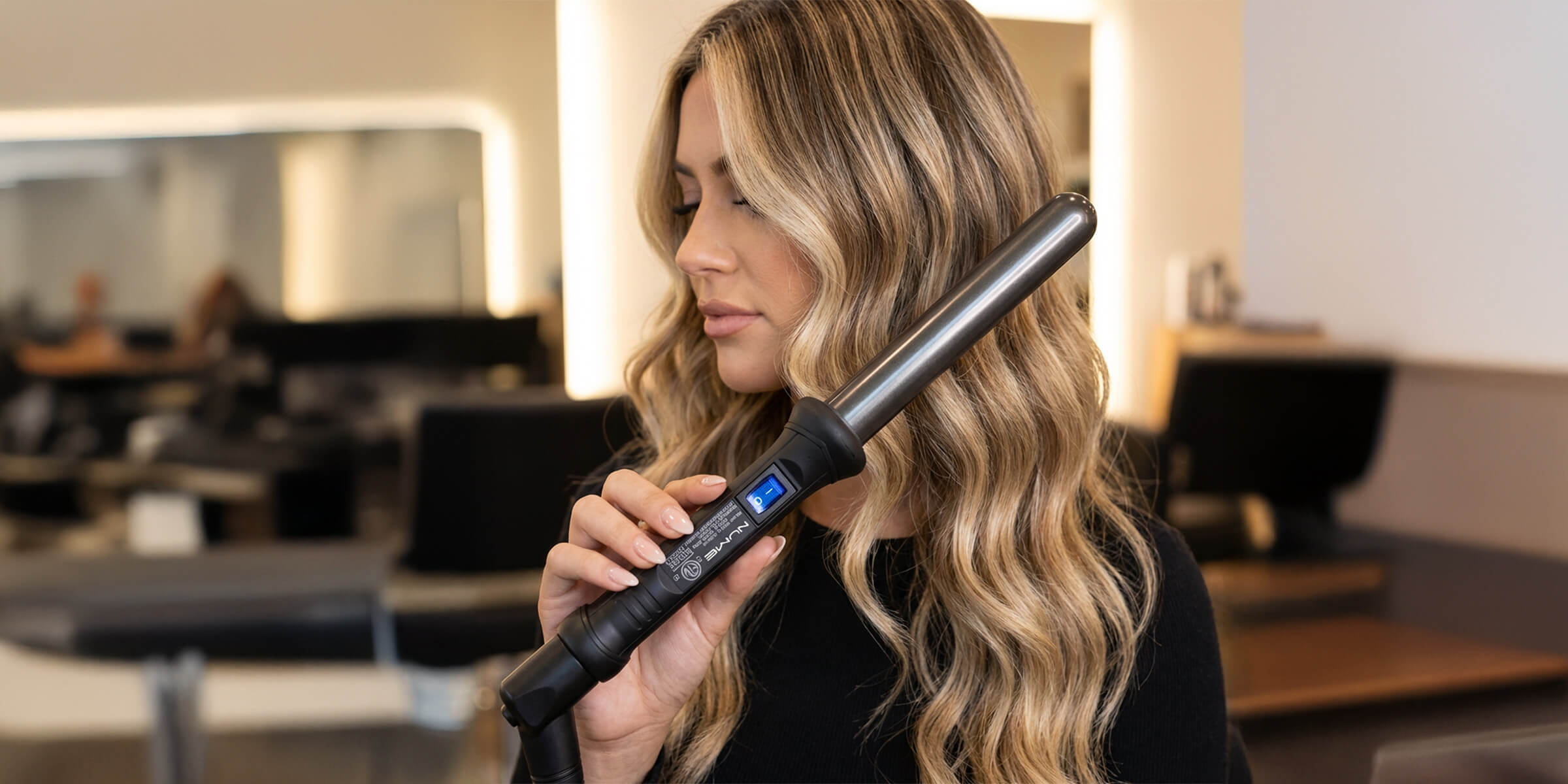
There’s a specific kind of disappointment that happens when your hair looks amazing for ten minutes and then slowly collapses back into itself. The roots flatten. The shape drops. The movement disappears. And suddenly, what started as full, lifted, expensive-looking hair turns into “Why did I even style this?”
The frustrating part is that volume usually doesn’t disappear because your hair “can’t hold it.” More often, it disappears because the prep, the heat, the sectioning, or the finish worked against it from the start. The good news is that lasting volume is usually less about doing more and more about doing a few key things in the right order.
Why volume fall flat so fast
Most hair loses volume for one of five reasons:
-
the roots were weighed down before styling
-
the heat set wasn’t strong enough or consistent enough
-
the sections were too big
-
the hair was touched too soon
-
the environment started working against you
Stylists consistently point to prep, root lift, product weight, and cooling time as the difference between hair that holds shape and hair that drops early. Lightweight prep on damp hair, controlled heat, and allowing the shape to cool before disturbing it all show up again and again in professional guidance.
The first mistake usually happens before you even start
A lot of people think volume starts with the curler. Usually, it starts in the shower. If your hair is coated with heavy conditioner, leftover product, oils near the roots, or mineral buildup, it’s much harder to get lift that lasts. Stylists regularly flag buildup and over-conditioning as major reasons hair looks flat or loses body quickly. That doesn’t mean dry hair needs to be stripped. It means the scalp and root area need to feel clean enough to lift, while the mid-lengths and ends still stay soft.
What helps
-
Keep conditioner mainly from mid-length to ends
-
Clarify occasionally if your hair feels coated or heavy
-
Don’t start a volume style on roots that already feel oily or overloaded
Volume lasts longer when the roots are lifted on purpose
A lot of hair gets “wavy” but never truly voluminous because the roots were never given direction. If the root dries flat, the rest of the style is already fighting gravity. That’s why stylists often recommend root-focused prep on damp hair and directional blow-drying before you even touch a curling tool. Root-lifting sprays, lightweight mousse, drying the hair away from its natural fall, and changing the part all show up as reliable ways to create lift that lasts longer.
What helps
-
Apply a lightweight heat protectant before blow-drying
-
Add lift at the root before curling the lengths
-
Dry the crown with intention instead of letting it fall wherever it wants
This is one of the reasons bigger waves often hold shape better when the roots already have structure underneath them.
Bigger sections are not always better
When people want quick volume, they often grab sections that are too large. That usually gives them two problems at once:
-
the heat doesn’t distribute evenly
-
the section relaxes before it fully sets
Large sections can look fast in the moment, but they often fall faster because the hair was never fully shaped. This is especially true on thicker or longer hair.
A smarter approach
Take sections that are big enough to feel efficient, but small enough that the heat reaches through the hair evenly. For soft volume, you don’t need tiny ringlet sections. But you do need controlled ones.
Heat matters, but not the way people think
A lot of people still assume that more heat automatically means longer hold. That’s not always true. Too little heat won’t create enough shape. Too much heat can dry the hair out and make it harder to maintain softness and movement. Expert guidance on curl hold repeatedly points to using the right temperature for your hair type, not the highest setting on the tool.
In general
-
finer hair usually needs less heat
-
thicker hair may need more heat, but not maximum heat by default
-
repeated overheating can leave hair dry, rough, and harder to style well over time
If your hair feels like it drops fast, don’t assume the answer is always to turn the tool up. Sometimes the answer is better prep, better sectioning, and better setting.
If you touch the hair too early, you lose the shape
This is one of the biggest reasons volume disappears so quickly. Hair needs to cool in the shape you created. If you brush it, shake it, rake through it, or pull it down while it is still warm, you soften the set before it has a chance to hold. Multiple pro sources repeat the same advice: let curls cool fully before touching or brushing them out if you want better hold and more lasting body.
What helps
-
Let the curl or wave cool before you break it up
-
If you want extra hold, clip the section up briefly while it cools
-
Style the whole head first, then soften and separate at the end
This is one of those small changes that makes a surprisingly big difference.
Humidity changes everything
If your volume looks amazing indoors and then disappears the second you step outside, the problem may not be your tool at all. Humidity changes the way hair behaves because water in the air interacts with the hair fiber. As humidity rises, hair can swell, frizz, lose shape, or relax faster, especially if the cuticle is already compromised. That basic chemistry is well established: moisture in the air affects the bonds and behavior of hair, which is why some styles hold beautifully in one climate and collapse in another.
What helps
-
keep your prep lightweight, not sticky
-
don’t overload the hair with heavy finishers
-
use a small amount of oil only where needed, not all over
-
expect summer and high-humidity days to need more support than dry winter days
Seasonal volume is real
Hair does not behave the same way in July that it does in January.
In humid weather
Hair tends to absorb moisture from the air more easily, which can soften the shape and create puffiness or drop.
In colder, drier weather
You may get more static and roughness, but sometimes slightly better hold if the roots stay fresh and the air is less damp. Curly and textured hair still tends to need moisture support year-round, because it dries out more easily. The American Academy of Dermatology notes that curly hair is naturally prone to dryness and benefits from moisture-focused care and gentler handling. That means “lasting volume” is not one fixed formula. It’s the right formula for the weather, your hair type, and how much shape you’re asking the hair to hold.
The simplest routine for volume that lasts longer
If you want body and movement that hold, keep it simple:
-
Start with clean roots and don’t overload them with heavy product
-
Prep with heat protection before blow-drying
-
Lift the roots intentionally before curling
-
Use sections that are controlled, not oversized
-
Let the hair cool before separating
-
Finish lightly so the style can move without collapsing
That combination tends to outperform heavy routines every time.
larger-barrel curling tools >>

What usually makes volume disappear fast
A lot of hair routines accidentally sabotage volume.
The most common reasons
-
too much conditioner near the roots
-
styling on buildup
-
curling oversized sections
-
touching the hair too early
-
using products that feel rich but heavy
-
expecting the same routine to work in every season
If your volume always falls flat, one of these is usually the reason.
Final Thoughts
Lasting volume is not about trying harder. It is about building the style so it has something to hold onto. When the roots are supported, the heat is controlled, the sections make sense, and the hair is allowed to cool properly, body and movement stop feeling temporary. That is when volume stops looking like luck and starts looking intentional.

Related Articles:
How Rotating Curlers Work and Who They’re Best For >>
What Curling Iron Size Is Right for You? A Simple Guide That Helps You Decide >>
Frequently Asked Questions
Why does my hair lose volume so fast?
Usually because the roots were weighed down, the sections were too big, the hair was touched before it cooled, or the environment softened the style too quickly.
Does humidity make volume fall faster?
Yes. Humidity changes how the hair fiber behaves and can make styles lose shape faster, especially when the cuticle is already rough or porous.
What helps hair hold volume longer?
Clean roots, lightweight prep, root lift before curling, the right heat, and letting the shape cool before touching it.
Should I use oil if I want volume?
Yes, but very lightly and only where needed. Too much oil near the roots can weigh the style down quickly.
Why do my waves look good at first and then disappear?
The most common reasons are incomplete heat setting, oversized sections, early brushing, and humidity.
Compartir:
7 Signs Your Hair Problems Actually Start at the Scalp
Why You Can’t Curl Your Hair and the Simple Way to Get It Right