
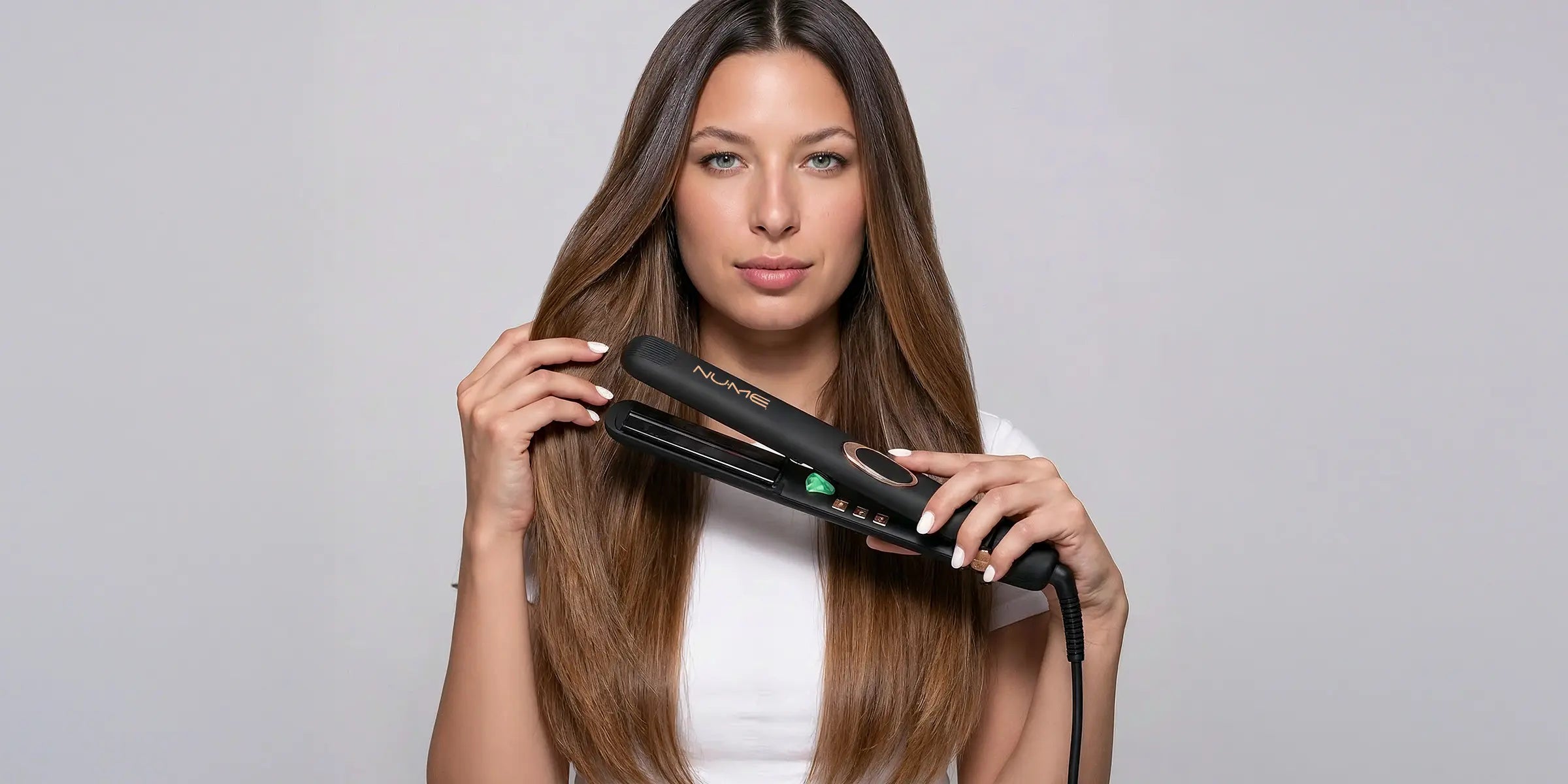
You spent thirty minutes straightening your hair. It looked perfect. Then you stepped outside, or walked into a slightly warm room, and watched it slowly (or not so slowly) revert back to exactly what it was before. If this sounds familiar, you're not alone, and you're not doing anything catastrophically wrong. But there are a few specific things happening that make straight hair refuse to stay straight, and once you understand them, fixing it is actually pretty straightforward.
The Real Reason Straight Hair Doesn't Last
Most people assume their hair "just doesn't hold a style." In reality, there are three main culprits, and most of them have nothing to do with your hair type.
Humidity is the biggest villain. Hair is naturally hygroscopic, meaning it absorbs moisture from the air around it. The moment straightened hair encounters humid air, the hair shaft swells, the cuticle lifts, and frizz moves back in. No amount of flat ironing can permanently change that, unless you create a barrier against it before you style.
The cuticle wasn't fully sealed during styling. When you straighten hair, heat temporarily smooths the cuticle flat. But if you rush, use the wrong temperature, or touch the hair while it's still hot, the cuticle doesn't seal properly, and it opens right back up the moment it hits humidity or friction.

Product buildup is working against you. Heavy conditioners, oils, or serums left on the hair before heat styling create a layer that the iron has to fight through. The result: uneven straightening that reverts faster because the style was never fully set to begin with.
What Actually Keeps Hair Straight Longer
Start with a heat protectant that also fights humidity, not just heat. This is the step most people either skip or get wrong. A standard heat protectant shields the hair from the temperature of the iron. But what you actually need is something that does both: protects during styling and creates a humidity-repelling barrier that stays active after the iron is done. An anti-frizz spray with built-in heat protection applied to damp or dry hair before styling works with the heat of your tool to seal the cuticle and form that barrier simultaneously, so you're not just protecting hair, you're actively locking the style in.

Use the right temperature for your hair type. Too low and you'll take more passes, which means more manipulation and more opportunity for frizz. Too high and you'll damage the cuticle over time, making hair more porous and, ironically, more prone to frizz. A good rule: start at around 380°F for fine or normal hair, and work up from there for thicker or coarser textures. This is why it's worth using a styling tool with adjustable temperature settings. Every hair type is different, and being able to dial in the exact heat your hair needs (rather than guessing with a fixed setting) makes a real difference in both results and long-term hair health.
Let each section cool completely before moving on. This is the most skipped step in home straightening routines. Heat sets the style, but cooling locks it. When you flip, touch, or run your fingers through freshly ironed hair while it's still warm, you're undoing the work before it has a chance to set. Iron a section, let it fall, leave it alone for 30–60 seconds. It sounds small, but it makes a significant difference in how long the style holds.
Seal with a light finishing product, applied the right way. After styling, a single light mist of an anti-humidity finishing spray while hair is still slightly warm from styling gives the cuticle one final layer of protection. The warmth helps the product absorb properly, rather than just sitting on top. This is what separates a style that lasts six hours from one that lasts until noon.
The Prep Steps That Most People Skip
Getting straight hair to actually stay straight starts before the flat iron ever comes out.
Use an anti-frizz product that also protects from heat. There are products that do double duty here: they shield the hair from frizz and humidity while also providing protection before heat styling. Applying one of these before you style means you're not just prepping for the iron, you're already building the barrier that will keep the style in place afterwards.
Blow-dry fully before flat-ironing. Even five percent moisture left in the hair will cause steam the moment a hot iron touches it, which is both damaging and counterproductive to achieving a smooth result. Fully dry, then iron.
Don't over-apply leave-in products. Less is more before heat styling. Heavy creams or oils create buildup that the iron has to fight through. If you use a leave-in, choose a lightweight formula and apply sparingly, mid-lengths and ends only.
One More Thing Worth Knowing
Porosity matters more than most people realize. High-porosity hair, which is common in color-treated, chemically processed, or heat-damaged hair, absorbs humidity faster than low-porosity hair because the cuticle is already more open. If your straight styles revert especially quickly, this might be the underlying reason. The fix: use protein-rich products and always, always seal with an anti-humidity layer after styling. Exploring the full NuMe hair care range is a good place to start building a routine that addresses porosity alongside styling.
Related Reading
Staying straight is only part of the picture. These go deeper on the details:
- Flat Iron for Thick Hair: The Ultimate Guide
- How to Straighten Curly Hair Without Damage
- Why Your Curls Fall Apart in Humidity and What Actually Helps
The Short Version
Hair that doesn't stay straight is almost always a prep and protection problem, not a hair type problem. Seal the cuticle during styling, protect against humidity before and after, let sections cool before touching them, and use lightweight products that work with your heat tools. Get those four things right consistently, and the results will be noticeably different. If you want to see what a proper dual-action heat and humidity shield looks like in practice, this is a good place to start.
Frequently Asked Questions
Why does my straightened hair go frizzy so fast?
The most common reason is humidity. Hair naturally absorbs moisture from the air, which causes the cuticle to lift and frizz to return. Skipping a humidity-blocking product before styling is usually what makes the difference between a style that lasts and one that doesn't.
Does heat protectant help hair stay straight longer?
It depends on the formula. A standard heat protectant shields hair from damage during styling, but doesn't necessarily protect against humidity afterwards. A dual-action spray that protects from heat and forms an anti-humidity barrier will keep hair straight significantly longer.
Does the order of styling products matter?
Yes, quite a lot. Heat protectant should go on before any heat is applied, ideally on clean, blow-dried hair. Finishing products like anti-humidity sprays go on after styling, while hair is still slightly warm, so they can absorb properly and seal the style.
Why does my hair revert even in air conditioning?
Air conditioning reduces humidity but doesn't eliminate it entirely. More likely, the issue is that the cuticle wasn't fully sealed during styling, either because of incorrect temperature, too many passes, or no finishing protection after ironing.
Is high-porosity hair harder to keep straight?
Yes. High-porosity hair (common in color-treated or heat-damaged hair) has a more open cuticle, which means it absorbs humidity faster and reverts more quickly. Protein-rich products and a good anti-humidity sealant after styling make a significant difference for high-porosity hair types.
How long should straight hair last after styling?
With proper prep and protection, straight styles should comfortably last 24–48 hours for most hair types. If you're getting less than a day, the issue is almost always the absence of a humidity barrier, either before or after styling.
Share:
Flat Iron for Thick Hair: The Ultimate Guide
10 Quick Tips to Straighten Your Hair Without Damage