
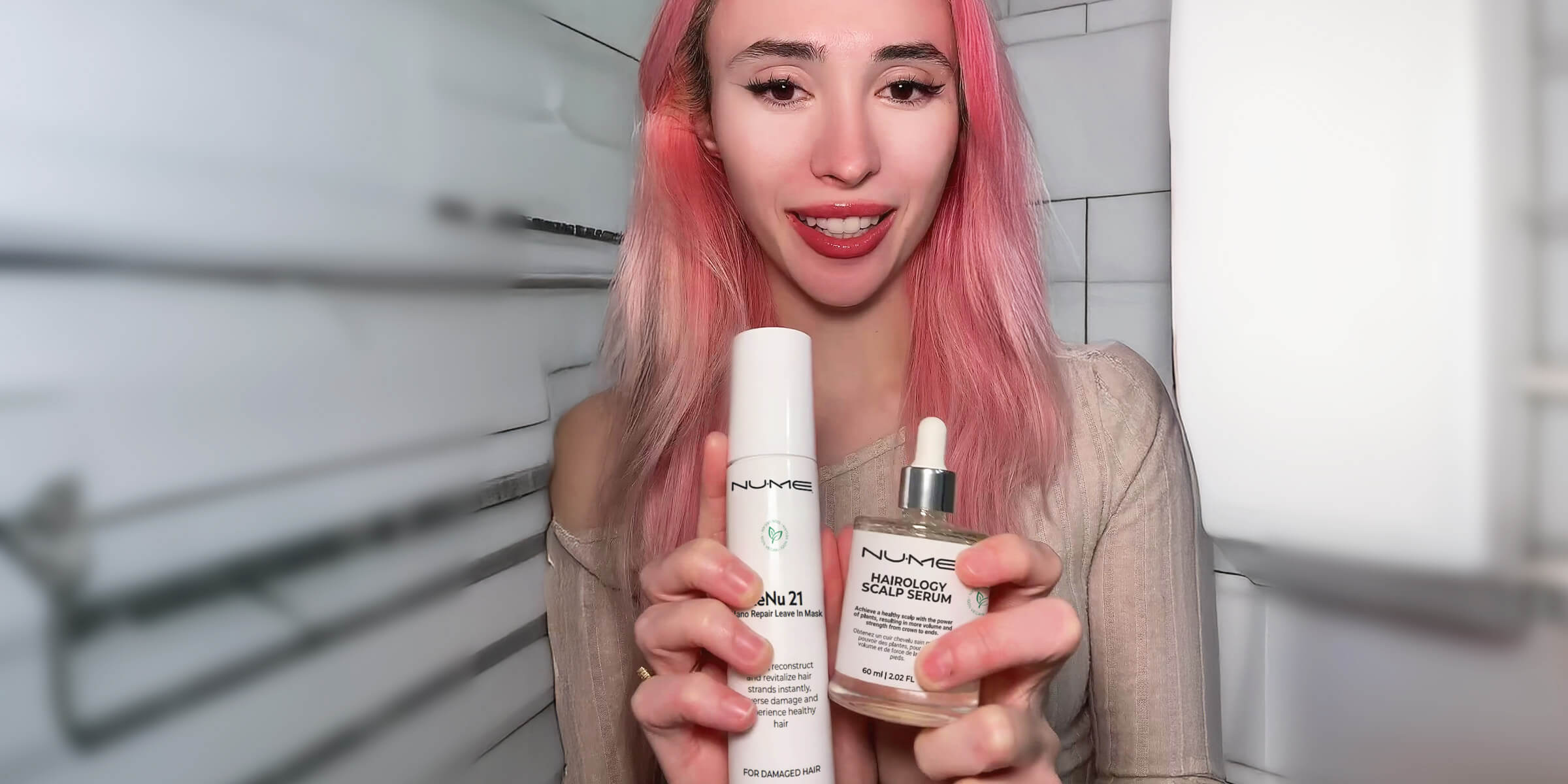
If your hair feels dry, frizzy, or weak, your instinct is probably the same as everyone else’s: Treat the ends. You buy a mask. You add oil. You switch conditioners. You trim more often. And for a few days… it looks better. Then the frizz comes back. The breakage returns. The “repair” doesn’t stick. That’s because most hair routines try to fix damage at the finish line, not at the source. If you want real, lasting improvement, you need to treat damaged hair as a system, not a single problem area.
The Myth: “If I Fix the Ends, I Fix the Hair”
Ends are where damage shows up first:
-
split ends
-
frizzy texture
-
dullness
-
tangles
-
breakage
But ends are also the oldest part of your hair. They’ve been through the most:
-
heat styling
-
brushing friction
-
color or bleach
-
weather + dryness
-
product buildup
So yes, you should treat the ends. But here’s the problem: Treating only the ends is like watering only the leaves of a plant. You might see a quick improvement… but the root system stays stressed.
What Most People Miss: Hair Health Starts at the Scalp
A healthy scalp is the “environment” where stronger hair begins. When the scalp is:
-
dry
-
irritated
-
congested with buildup
-
imbalanced (too oily then too dry)
The hair that grows in can feel weaker over time and can become more vulnerable to frizz, breakage, and heat damage. That’s why a routine that focuses only on the strands often creates a loop:
mask → temporary softness → back to dryness → more product → more buildup → weaker hair
The Real Reason Your Hair Repair Doesn’t Last
Most “repair routines” fail for one of these reasons:
1) You’re smoothing the surface, not strengthening the fiber
Many products make hair feel softer without meaningfully improving resilience.
2) Your scalp barrier is dry or stressed
Dry scalp can lead to inconsistent natural oils and lower moisture retention, which shows up as frizz and dullness.
3) Heat styling keeps re-damaging hair faster than you can repair it
If you straighten or curl regularly, repair has to be paired with smarter technique, not just more product.
The Fix: A Two-Part Routine That Repairs from the Foundation Up
If you want hair that looks smoother and behaves stronger (less frizz, less breakage, styles last longer), you need two things working together:
Part 1: Support the Scalp (So New Hair Grows in Stronger)
Look for a lightweight scalp serum that focuses on:
-
hydration and comfort
-
balance (not heavy oils that clog)
-
easy absorption
-
consistent use (daily or several times a week)

A good scalp routine can help reduce that “tight, dry” feeling and support a healthier foundation for hair overall. When your scalp is happier, hair often becomes easier to manage.
Part 2: Repair the Hair Fiber (So Your Lengths Stop Acting Damaged)
Damaged hair needs more than shine. It needs strength + structure. A leave-in repair treatment can help:
-
improve elasticity
-
reduce breakage
-
support smoother texture
-
make styling hold longer with less stress
This is especially important for:
-
heat damaged hair
-
bleached or color-treated hair
-
hair that “won’t grow past a certain point” because the ends keep snapping
Explore Leave-In Repair Treatment >>

The Routine (Simple and Realistic)
After wash day (2–3x per week)
-
Apply your repair leave-in treatment mid-length to ends
-
Use a heat protectant before any heat styling
-
Style with smart technique (see below)
Between wash days
-
Apply scalp serum consistently (daily or several times/week)
-
Keep ends protected (lightweight leave-in or minimal oil if needed)
Heat Styling Without “Undoing” Your Repair
If you use a flat iron, curling wand, or blow dryer brush:
-
Use smaller sections (results improve, heat can go lower)
-
Do fewer passes (one clean pass is better than 3 messy passes)
-
Let hair cool before touching (cooling sets the shape and reduces frizz)
-
Never style damp hair (one of the fastest ways to worsen damage)
The goal isn’t “no heat.”
It’s less stress per style.

How Long Until You See Real Results?
A realistic timeline:
-
1–2 weeks: scalp feels more comfortable, hair looks slightly calmer
-
2–4 weeks: less frizz, easier detangling, better smoothness
-
4–8 weeks: noticeable reduction in breakage + improved strength
Repair is a pattern, not a one-time product moment.
Who This Works Best For
This approach is ideal if you:
-
have dry scalp + frizzy hair
-
use heat tools regularly
-
deal with breakage and split ends
-
have color-treated or bleached hair
-
feel like your hair never “stays healthy” even after masks
Because you’re treating the whole system, not just the symptom.
Build the Root-to-Ends Routine >>

Best Scalp Oil for Dry Scalp: What to Use and How to Choose >>
Frequently Asked Questions
Is it bad to use only a hair mask for damaged hair?
A hair mask helps, but it only targets the strands. If scalp health and daily stressors aren’t addressed, results often won’t last.
Can scalp care actually improve frizz?
Yes. A dry or imbalanced scalp can affect moisture balance and oil distribution, which often shows up as frizz and rough texture.
What’s better: oil or a repair treatment?
Oil can add slip and shine, but repair treatments are usually better for strengthening damaged hair fibers and reducing breakage.
Do I need to stop using heat tools to repair hair?
Not necessarily. You need heat protection and better technique so you’re not re-damaging hair faster than you repair it.
Why does my hair feel soft but still break?
Softness can be surface-level. Breakage often comes from internal weakness and low elasticity, which requires repair, notooooooooooooooooooooooooooooooooooooooooo just conditioning.
How often should I use scalp serum?
Many lightweight scalp serums can be used daily or several times per week, depending on scalp dryness and comfort.
Can I use both scalp serum and leave-in repair at the same time?
Yes, that’s the point. Scalp care supports the foundation; leave-in repair strengthens the lengths.
Written by the NuMe Education Team
Professional styling insights. Real-world routines. Evidence-based care.
Share:
How to Repair Damaged Hair from Scalp to Ends
The Science of Scalp Health and Hair Strength