
Last updated: December 2025
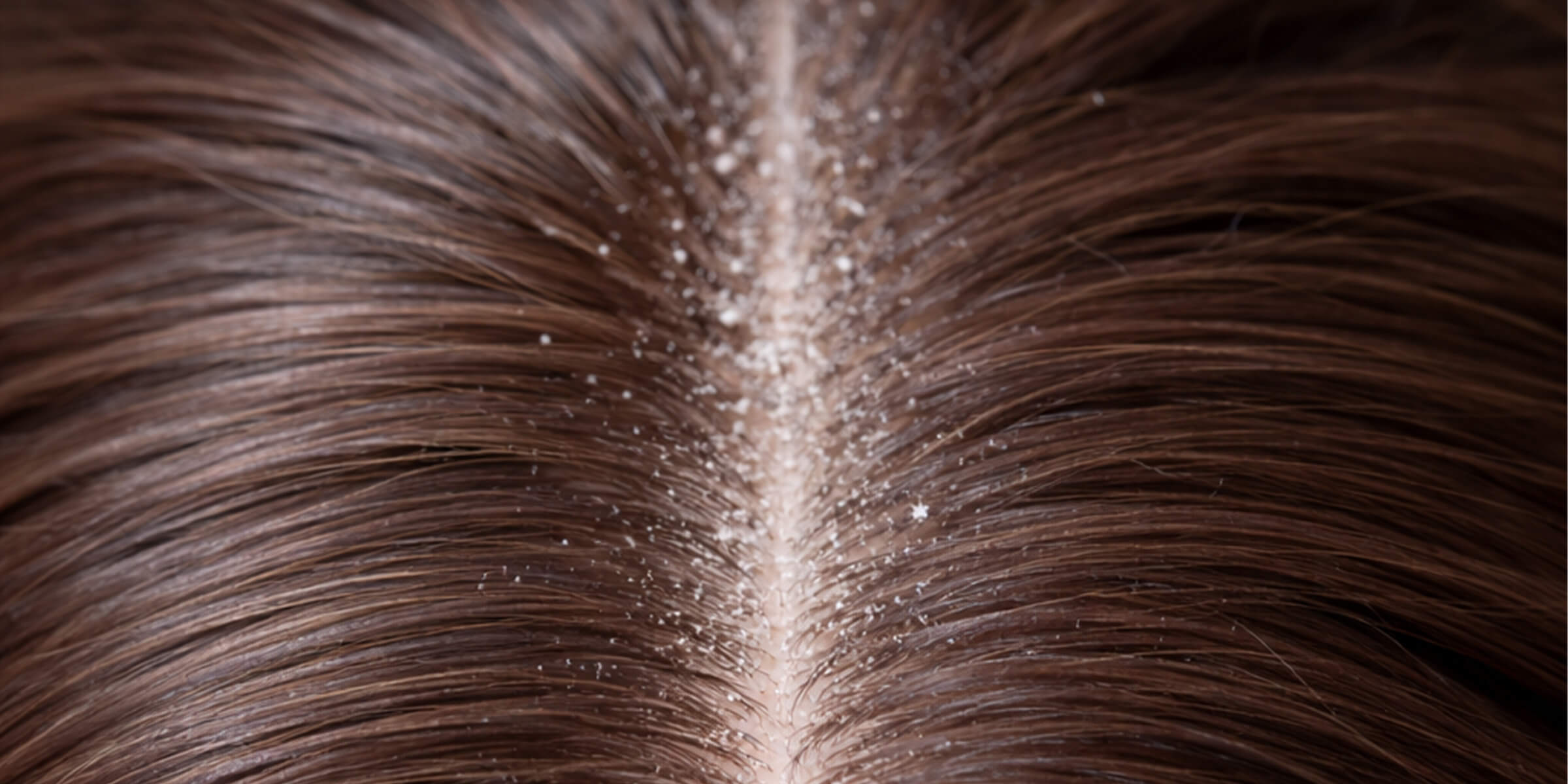
A dry scalp can feel tight, itchy, flaky, and uncomfortable, especially when it struggles to retain moisture. While hair oils are often the first solution people reach for, not every oil works the same way, and not every scalp responds well to heavier formulas.
In this guide, we’ll explore what actually helps a dry scalp, which oils are commonly used, and how modern scalp treatments can fit into a balanced scalp care routine.
What Causes a Dry Scalp?
Dry scalp occurs when the skin on your scalp doesn’t produce or retain enough natural oils. This can be influenced by factors such as:
-
Cold or dry weather
-
Overwashing or harsh cleansers
-
Heat styling and environmental stress
-
Product buildup that disrupts the scalp barrier
When the scalp barrier is compromised, moisture escapes more easily, leading to dryness, flaking, and irritation.
Why Oils Are Often Used for Dry Scalp
Hair oils are frequently recommended because they help reduce moisture loss and soften dry skin. When chosen carefully, oils can:
-
Help relieve scalp dryness
-
Improve scalp comfort
-
Support overall scalp hydration
That said, not all oils are suitable for every scalp type, and some may feel heavy or lead to buildup.
The Best Oils for Dry Scalp

Below are some commonly used oils for dry scalp care, along with when they may be most appropriate.
Jojoba Oil
Jojoba oil closely resembles natural scalp oils, making it a popular option for mild dryness and routine scalp care.
Argan Oil
Argan oil contains nourishing fatty acids and is often used to help support scalp comfort while conditioning the hair.
Tea Tree Oil (Diluted)
Tea tree oil is often used for itchy or flaky scalps and should always be properly diluted before use.
Coconut Oil
Coconut oil can help seal in moisture, but it may feel too heavy for some scalp types.
When Oils Aren’t the Best Option
While oils can be helpful, they aren’t ideal for everyone. Some people experience:
-
Greasy residue at the roots
-
Heavy buildup on the scalp
-
Discomfort from thicker textures
In these cases, lighter scalp-focused treatments may offer a more comfortable alternative.
A Modern Alternative: Lightweight Scalp Treatments

Lightweight scalp treatments are designed to deliver hydration without the heaviness of traditional oils. These formulas absorb quickly and are often better suited for daily scalp care routines.
If you’re looking for a lighter option, there are modern scalp serums formulated to help relieve dryness while supporting a balanced scalp environment.
Discover a Lighter Scalp Solution >
A Lightweight Solution for Dry Scalp
One example of a modern approach to scalp care is the NuMe Hairology Scalp Serum. This lightweight scalp serum is designed to help support scalp comfort and hydration without leaving a greasy feel. Unlike traditional oils, scalp serums are created for quick absorption and easy, everyday use.
How to Care for a Dry Scalp
A simple, consistent routine is often the most effective:
-
Apply your chosen scalp oil or lightweight treatment to a clean, dry scalp
-
Massage gently to encourage absorption
-
Avoid using too much product at once
-
Focus on maintaining scalp hydration over time
Finding the Right Scalp Care Routine
Dry scalp care isn’t about using the heaviest oil; it’s about finding what works comfortably for your scalp and sticking to a consistent routine.

Explore Scalp Care Solutions >
Frequently Asked Questions About Dry Scalp Oils
What is the best oil for a dry scalp?
The best oil for a dry scalp depends on your scalp type. Lightweight oils like jojoba oil work well for many people, while heavier oils may suit very dry scalps.
Which oil is good for a dry, itchy scalp?
Jojoba oil and properly diluted tea tree oil are commonly used for dry, itchy scalps.
Can oils help with a flaky scalp?
Oils can help soften flakes caused by dryness, but flakes related to buildup may benefit from lighter scalp treatments.
How often should you oil a dry scalp?
Most people apply scalp oil one to three times per week, depending on their needs.
Is a scalp serum better than oil for dryness?
For those who find oils too heavy, a scalp serum can be a lighter, more comfortable alternative.
What if oils feel greasy on my scalp?
If oils feel greasy, switching to a lightweight scalp treatment designed for daily use may be a better option.
Share:
What to Use for Dry Scalp: Solutions and Recommendations You Should Try
10 Ways to Make Your Hair Grow Faster, Stronger & Healthier