
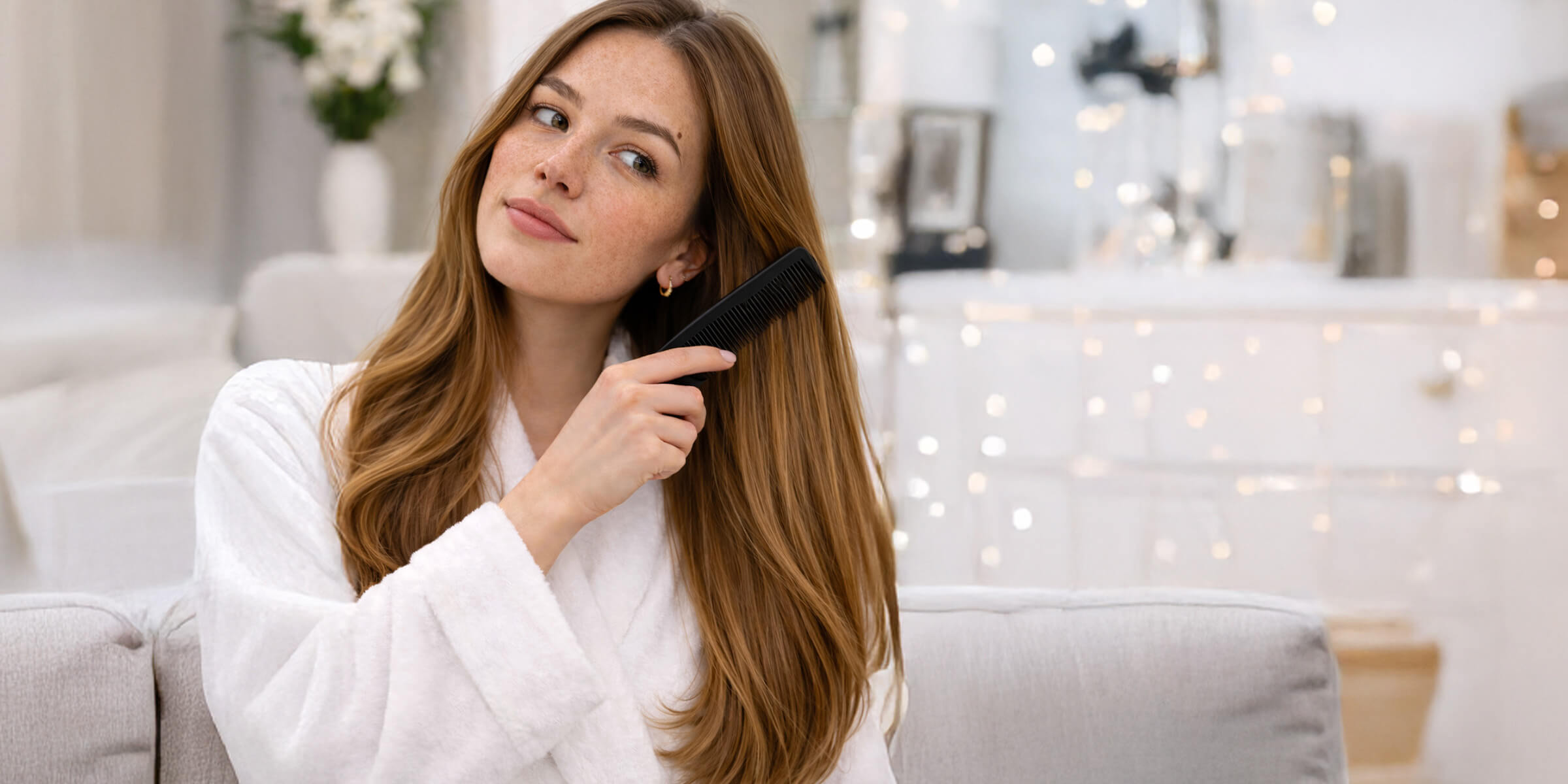
Hair damage often doesn’t come from a single dramatic event; it’s the result of everyday habits like heat styling, sun exposure, rough drying, and tight hairstyles. When these small stresses build up over time, hair can feel rough and look dull even if you haven’t done anything extreme. That’s why basic hair protection, thinking beyond repair products, is essential for smoother, healthier-looking hair that styles easily.
This guide explains what basic hair protection really means, what actually helps, what often backfires, and how to build a simple routine that works year-round.
What “Basic Hair Protection” Really Means
Basic hair protection isn’t a single product. It’s a combination of habits and lightweight product types that consistently do three things:
-
Reduce heat stress during styling
-
Reduce friction that roughens the hair cuticle
-
Help prevent moisture loss that leads to dryness and frizz
When these three are covered, hair behaves better, styles last longer, and maintenance becomes much easier.
The Three Biggest Sources of Daily Hair Damage
Heat exposure
Blow dryers, flat irons, curling irons, and hot brushes all apply direct heat. Heat itself isn’t the enemy, but repeated heat without protection can weaken hair over time.
Friction
Friction is often overlooked. Rough towel drying, aggressive brushing, and even cotton pillowcases can lift the cuticle and contribute to frizz, tangling, and breakage.
Environmental stress
Sun, humidity, wind, and mineral buildup from hard water all affect hair texture. This is why routines that work in winter often struggle in summer.
The Essentials of Basic Hair Protection

Heat protectant
If you use heat even occasionally, a heat protectant is essential. Modern formulas help form a lightweight protective layer that reduces moisture loss during styling.
Lightweight leave-in conditioner or primer
Leave-ins help reduce friction, improve manageability, and keep hair feeling softer after styling. Use sparingly and focus on mid-lengths and ends. Friction reducers (often ignored but very effective)
Small changes make a big difference:
-
Blot hair dry with a microfiber towel or soft cotton t-shirt
-
Use a satin or silk pillowcase to reduce overnight friction
These are part of basic protection, not optional extras. Humidity and smoothing support (when needed). In humid climates, lightweight anti-frizz support can help slow moisture absorption and preserve style shape.
Oils, Serums, and “Sealing”: What Actually Helps
Oils can add shine, but they’re usually best used after styling, not before heat. Heavy oils before heat can weigh hair down and cause uneven results. Lightweight serums, on the other hand, can be very effective for smoothing and frizz control when applied correctly, mid-lengths to ends only. A simple rule: if it feels heavy in your hands, it will feel heavy in your hair.
A Simple, Repeatable Protection Routine

On wash days:
-
Gently blot hair dry, don’t rub
-
Apply a lightweight leave-in or primer
-
Apply heat protectant before any heat styling
-
Style using the lowest effective heat in small sections
On non-wash days:
-
Refresh ends with a small amount of lightweight serum if needed
-
Reapply heat protectant before any heat styling
Think of heat protectant like sunscreen, you apply it before exposure, not after damage.
Protecting Hair When You Style Often
If you style frequently:
-
Only use heat on fully dry hair
-
Avoid max heat “just in case.”
-
Clean tools regularly to prevent product buildup
-
Don’t layer multiple heavy products hoping they cancel out
For a step-by-step straightening routine, read this guide:
Read the Straightening Prep Guide >
Quick Check: Are You Covered?
You’re on the right track if:
-
You use a heat protectant before heat styling
-
You dry your hair gently
-
You reduce friction at night
-
Your routine feels lightweight, not coated
The Takeaway
Basic hair protection isn’t trendy; it’s what makes everything else work better. When the foundation is right, hair looks healthier, styling is easier, and damage becomes easier to prevent instead of constantly fixing.

Browse Heat Styling Essentials >
Simple, consistent protection works best.
Frequently Asked Questions
What is basic hair protection?
Basic hair protection is the foundation of habits and products that reduce daily heat stress, friction, and moisture loss.
Do I need protection if I don’t use heat?
Yes. Friction and environment still affect hair. Gentle drying, careful detangling, and reducing friction at night are key.
What is the most important product for basic protection?
If you use heat, heat protectant is the most important. Without heat, friction reduction matters most.
Can one product cover basic hair protection?
One product can help, but basic protection usually requires a combination of habits and lightweight products.
Is oil good for protection?
Oil works best as a finishing step. For heat styling, heat protectant is the correct foundation.
How do I know if my routine is too heavy?
If hair feels coated, gets greasy faster, or looks dull, your routine is likely too heavy.
Share:
11 Winter Hair Mistakes That Are Damaging Your Hair (And How to Fix Them)
Wide Plate Flat Irons: Why They’re the Best Choice for Long and Thick Hair